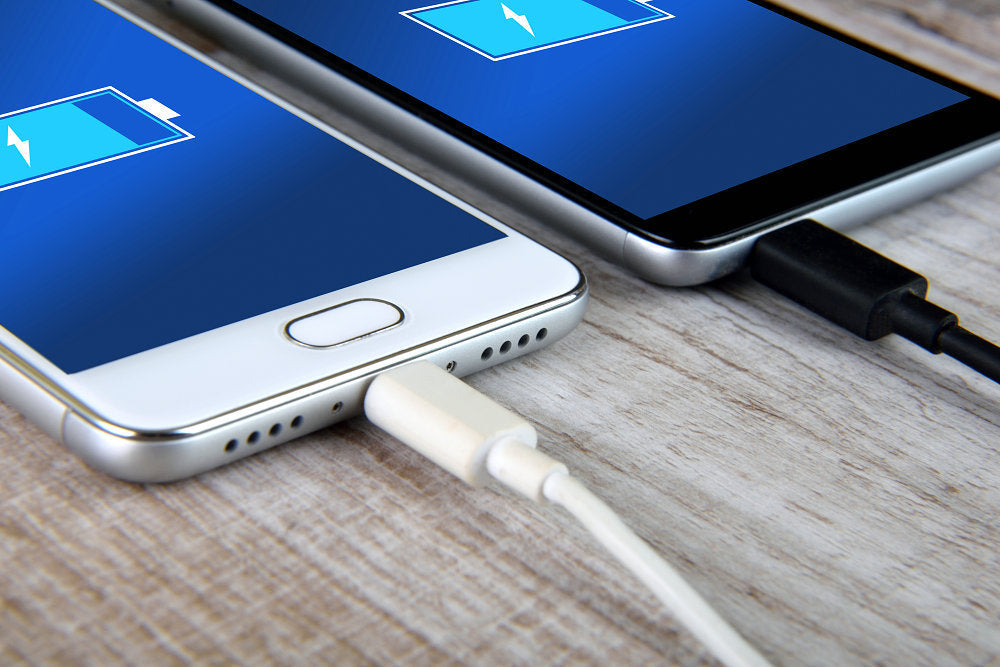
The Rise of Solid-State Batteries: What You Need to Know
The rise of solid-state batteries marks a significant shift in the energy storage landscape, promising safer, more efficient, and longer-lasting alternatives to traditional lithium-ion batteries. Unlike their liquid counterparts, solid-state batteries utilize a solid electrolyte, which minimizes the risks related to flammability and thermal runaway. As industries from automotive to consumer electronics seek sustainable energy solutions, the adoption of solid-state technology is poised to revolutionize various sectors. Key players in the energy market are investing heavily in research and development, leading to advanced materials and manufacturing processes that will drive widespread implementation.
One of the most compelling advantages of solid-state batteries is their potential for higher energy density, offering greater storage capacity within a smaller footprint. This feature is particularly attractive for electric vehicles (EVs), where range anxiety remains a significant barrier to consumer adoption. Furthermore, the operational lifespan of these batteries can exceed that of conventional options, providing longer service intervals and reduced environmental impact. As we move towards a cleaner and more sustainable future, understanding the advancements and implications of solid-state technology is crucial for both consumers and industry stakeholders alike.
Counter-Strike is a highly popular team-based first-person shooter game that emphasizes tactical gameplay and teamwork. Players can choose to play as terrorists or counter-terrorists, with the objective of completing various missions, such as planting or defusing bombs. In addition to gaming, you'll also want to check out the Top 10 iphone accessories for business to enhance your mobile productivity.
Harnessing Solar Power: Innovations in Solar Energy Storage
The surge in interest towards solar energy has led to remarkable advancements in solar power storage technologies. Innovations such as lithium-ion batteries, flow batteries, and even new materials like graphene are reshaping how we capture and store solar energy. These technologies not only improve efficiency but also address the intermittent nature of solar power. For instance, systems utilizing solar energy storage can retain excess energy generated during sunny periods and supply it during cloudy days or at night, ensuring a consistent energy supply.
Moreover, emerging concepts like solar thermal energy storage and integrated solar batteries are making significant contributions to the sustainable energy landscape. Solar thermal systems store heat instead of electricity, providing an innovative alternative to traditional storage methods. As these technologies continue to evolve, they promise to further enhance the viability of solar energy as a primary power source, ultimately leading to increased adoption and a cleaner, more sustainable future for our planet.
Are Wireless Charging Solutions the Future of Energy?
The rapid evolution of technology has led us to question the viability of traditional energy sources, making wireless charging solutions an increasingly popular topic of discussion. With the proliferation of portable devices, such as smartphones, tablets, and electric vehicles, the demand for seamless and convenient energy transfer has never been greater. Wireless charging not only eliminates the hassle of tangled cords but also promotes a more sustainable approach to energy consumption. As manufacturers continue to innovate and refine this technology, the idea of a future where we can charge our devices without physical connectors becomes ever more plausible.
Moreover, several industries are exploring the potential of wireless charging solutions in everyday applications. For instance, hospitals are considering wireless charging for medical devices to maintain hygiene and reduce clutter. Similarly, automotive giants are investing in wireless charging infrastructure for electric vehicles, aiming to create a network of charging pads in public spaces. The possibilities seem endless, leading many to speculate that wireless charging could revolutionize how we think about energy transfer and accessibility. Ultimately, as technology continues to advance and user adoption increases, it appears that wireless charging may indeed pave the way towards a more convenient and energy-efficient future.