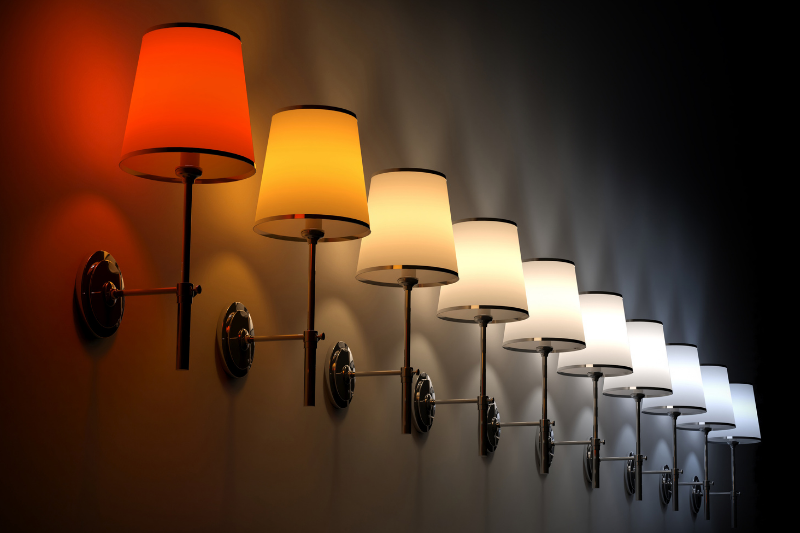
The Art of Lighting Design: Crafting Atmosphere and Emotion
The art of lighting design goes beyond mere illumination; it is a powerful tool that shapes the atmosphere and evokes emotion within any space. By manipulating light intensity, color, and direction, designers can create environments that inspire feelings of warmth, tranquility, or excitement. For instance, in a cozy restaurant setting, soft, warm lighting can enhance the intimate atmosphere, encouraging guests to relax and enjoy their meals. Conversely, bright, cool lighting in a retail space can stimulate energy and encourage customers to explore the products. Understanding the psychology of lighting is crucial in crafting spaces that resonate with the intended audience.
To master the art of lighting design, it is essential to consider elements such as layering light, choosing the right fixtures, and utilizing natural light effectively. Layering light involves combining ambient, task, and accent lighting to achieve a balanced and functional space. Designers can use various techniques, such as putting lights on dimmers or strategically placing fixtures to highlight architectural features or artworks. By combining these elements thoughtfully, lighting designers not only enhance the aesthetic appeal of a space but also elevate the emotional experience for its inhabitants.
Counter-Strike is a popular tactical first-person shooter game that has captivated millions of players worldwide. Known for its competitive gameplay and strategic depth, it requires teamwork and precise aiming. If you're an aspiring gamer, you might also be interested in exploring the Top 10 Phone Accessories for YouTube to enhance your gaming content. Since its release, Counter-Strike has spawned several iterations and remains a staple in esports tournaments.
Emotional Storytelling Through Light: Techniques and Tips
Emotional storytelling through light is a powerful technique that can transform ordinary narratives into captivating experiences. Lighting can evoke feelings, create atmosphere, and convey the mood of a story without uttering a single word. Here are some techniques to consider when using light in your visual storytelling:
- Use natural light: Harnessing the sun's rays can imbue your story with warmth or drama, depending on the time of day.
- Experiment with colors: Different colors can evoke specific emotions. For instance, blue can signify calmness, while red may evoke passion or urgency.
- Play with shadows: Shadows can create mystery and depth in your story, inviting viewers to explore the unknown.
Incorporating these techniques into your storytelling can lead to a more immersive experience for your audience. Practice is essential; take time to experiment with various lighting scenarios and witness how they affect your narrative. Additionally, gathering feedback from peers can provide insights into how well your emotional storytelling resonates. Remember, the goal of emotional storytelling through light is to connect with your audience on a deeper level, ensuring that they feel the story as much as they understand it.
How to Choose the Right Lighting for Your Narrative Setting
Choosing the right lighting for your narrative setting is crucial for establishing the mood and tone of your story. Proper lighting can significantly enhance the atmosphere, drawing readers into your world. Consider the emotional impact you want to convey: bright and vibrant lighting can create a sense of joy or excitement, while dim or shadows can evoke feelings of mystery or suspense. Additionally, take into account the time of day and environment in your scene. For example, during sunrise or sunset, the warm hues can impart a sense of calm or nostalgia, while harsh midday sun can generate tension or discomfort.
To create a cohesive narrative, it's essential to integrate lighting thoughtfully into your storytelling. Think about using colored lighting to symbolize different emotions or themes. For instance, using blue tones could evoke sadness, while red might signify anger or passion. It can also be beneficial to incorporate character reactions to the lighting around them, enabling readers to feel more connected to the setting. To help you visualize this, list out the key scenes where lighting plays a pivotal role and detail the specific lighting effects that would enhance each moment:
- Scene One: Describe the soft candlelight flickering in an intimate moment.
- Scene Two: Illustrate the stark fluorescence of an interrogation room.
- Scene Three: Convey the magical glow of moonlight illuminating a secret meeting.