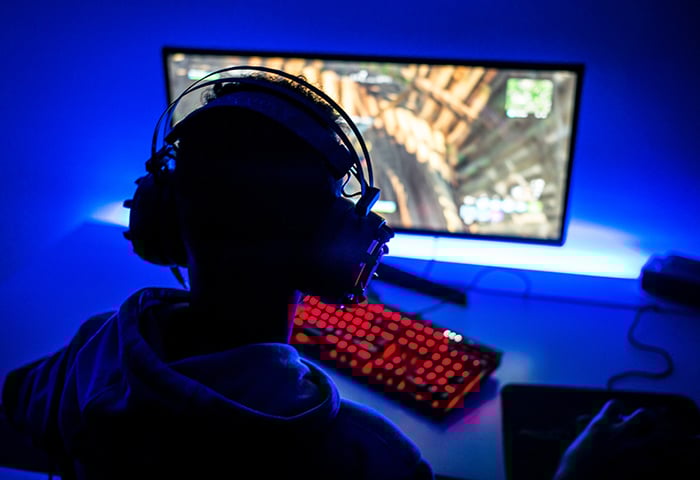
Unlocking Leadership: How Multiplayer Games Teach Team Management Skills
In today's fast-paced environment, the realm of leadership is more important than ever, and surprisingly, multiplayer games are proving to be effective tools for teaching essential team management skills. These virtual environments require players to collaborate, communicate, and strategize, mirroring the challenges faced in real-world teams. As players engage in complex problem-solving scenarios, they inadvertently learn to delegate tasks, manage resources, and build consensus, which are crucial components of successful team management. The unique combination of competitive dynamics and cooperative gameplay fosters an atmosphere where leadership is put to the test, revealing natural leaders and highlighting areas for improvement within a team's dynamics.
Moreover, multiplayer games can enhance leadership skills through their immersive experiences. Players often find themselves in roles where they must motivate teammates, make quick decisions, and adjust strategies in real-time. According to a recent study, 68% of participants reported improved communication and conflict resolution skills after engaging in team-based gaming scenarios. This kind of interactive learning allows individuals to practice team management in a safe environment, gaining insights that can be directly applied to the workplace. By embracing the lessons gathered from these digital adventures, aspiring leaders can unlock their full potential and navigate the complexities of team dynamics with newfound confidence.
Counter-Strike is a popular multiplayer first-person shooter that has captivated gamers since its initial release. The game revolves around two teams, terrorists and counter-terrorists, who compete to complete objectives, such as bomb planting or hostage rescue. For players who want to enhance their gaming experience, we recommend checking out these Top 10 iphone cooling fans to keep your device cool during intense matches.
From Gaming to Grit: Building Resilience Through Video Games
From Gaming to Grit highlights the often-overlooked benefits of video games, particularly how they can foster resilience and perseverance in players. As gamers face various challenges and obstacles within the virtual worlds, they learn to navigate setbacks, adapt strategies, and develop problem-solving skills. This gaming experience is not just about achieving high scores or beating levels; it's a comprehensive training ground for real-life situations that require grit and determination. Players encounter failures, which, rather than discouraging them, can strengthen their resolve to keep trying and improve their skills.
Moreover, video games often create a community of support, where players can connect, collaborate, and motivate one another. Engaging in team-based games can teach important lessons in teamwork and communication, essential components of resilience. Additionally, through the mechanism of rewards and achievements, games cultivate a sense of accomplishment that reinforces a player's self-efficacy. All these elements combined make video games a powerful tool for developing not just gaming prowess but also emotional and psychological resilience that can be applied in everyday life.
Can Playing Games Improve Your Problem-Solving Abilities?
Playing games has been shown to enhance cognitive functions, particularly in the realm of problem-solving abilities. Engaging with challenging video games or complex board games requires players to strategize, anticipate opponents' moves, and make quick decisions. Research has indicated that these mental exercises can result in improved critical thinking skills, allowing individuals to tackle real-world problems more effectively. For instance, puzzle games like Sudoku and strategic games like Chess foster analytical thinking, where players must evaluate multiple variables to find optimal solutions.
Furthermore, games often simulate real-life challenges that require creative resolutions. In multiplayer environments, collaboration with teammates to solve problems can enhance communication skills and collective thinking. Role-playing games (RPGs), for example, immerse players in intricate storylines where they must make choices that influence outcomes, effectively mirroring real-life dilemmas. By consistently facing these situations in a gaming context, players not only entertain themselves but also develop a toolkit for navigating complex issues in everyday life.