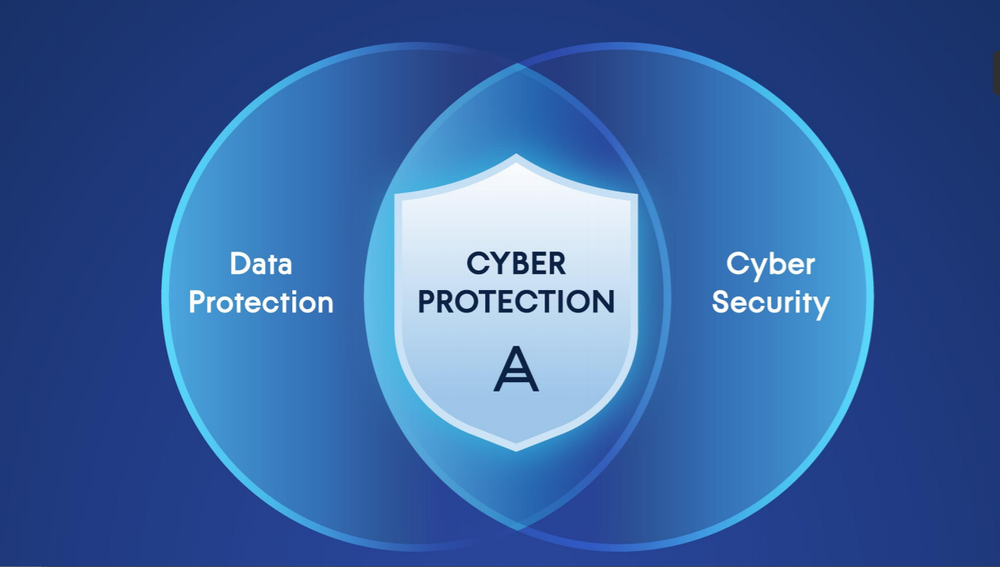
The Illusion of Safety: How Overprotection Breeds Vulnerability
The Illusion of Safety often leads us to believe that overprotection can safeguard our loved ones from harm. However, this constant shielding can create a false sense of security, leaving individuals ill-equipped to handle real-world challenges. When we prioritize safety over freedom, we may hinder essential life experiences that teach resilience. As they navigate through life, individuals who have been overly protected may develop heightened anxiety, as they lack the necessary coping skills to manage risks. Vulnerability does not originate from exposure to failure, but from an inability to confront it.
Moreover, the culture of overprotection often results in what can be described as a vulnerability paradox. As we attempt to create a bubble of safety, we inadvertently foster dependency and reduce self-efficacy. Children, in particular, might miss opportunities to learn critical problem-solving skills when we remove challenges from their environment. Ironically, the more we try to shield them from the harsh realities of life, the more we prepare them for failure in the face of adversity. It is crucial to strike a balance between ensuring safety and allowing for growth through experience.
Counter-Strike is a popular first-person shooter game that has captivated gamers since its release. Players join either the terrorist or counter-terrorist team, engaging in tactical gameplay and intense firefights. For gamers who enjoy competitive play, finding the right gear is essential. Check out the Top 10 Military Grade Shockproof Cases for iPhone 17 to ensure your device is protected during intense gaming sessions.
Are We Too Safe? Exploring the Consequences of Overprotection
In today's society, the concept of safety has permeated nearly every aspect of our lives. While overprotection is often rooted in good intentions, its implications can be far-reaching and detrimental. For instance, children who are shielded from risk may miss out on essential life skills, such as problem-solving and resilience. This phenomenon, known as helicopter parenting, can lead to an inability to cope with failure in adulthood. The question arises: are we too safe, to the point where we hinder personal growth?
Moreover, overprotection extends beyond parenting; it affects educational systems, workplaces, and public policies. For example, stringent safety regulations can create an environment of fear and compliance rather than one of innovation and creativity. In a world where caution prevails, individuals may become overly reliant on safety nets, stifling their ability to take risks and pursue opportunities. Ultimately, we must strike a balance between ensuring safety and allowing for personal development, as too much protection can lead to stagnation.
Understanding the Protection Paradox: Balancing Safety with Resilience
The Protection Paradox refers to the tension between the need for safety and the cultivation of resilience. In many modern societies, people seek a sense of security, often pushing for stringent measures to protect against various threats, whether they be physical, emotional, or environmental. However, this quest for safety can inadvertently result in diminishing resilience, as individuals and communities may become overly reliant on external protections rather than developing their own coping strategies and adaptive skills. As a result, it is crucial to recognize the importance of fostering resilience while maintaining protective measures to ensure individuals can thrive even in challenging circumstances.
To effectively balance safety with resilience, it is essential to implement a multi-faceted approach. This can include:
- Education and Training: Equip individuals with skills to respond to various challenges, thereby enhancing self-efficacy.
- Community Engagement: Foster strong communal ties that promote collective problem-solving and support systems.
- Policy Development: Create policies that not only prioritize safety but also encourage risk-taking and innovation.