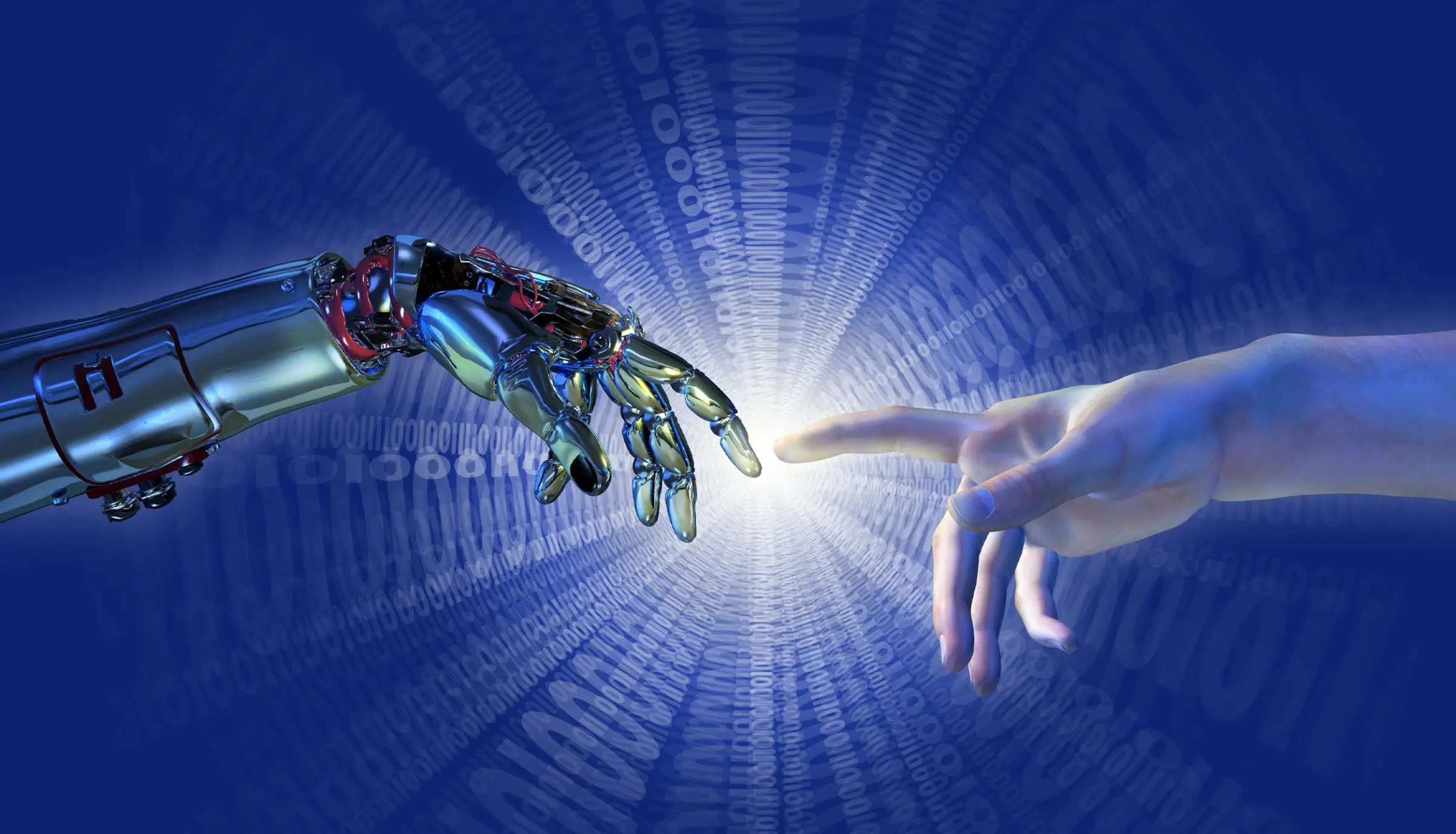
How Artificial Intelligence is Shaping a Smarter Future
Artificial Intelligence (AI) is rapidly transforming the landscape of our daily lives, paving the way for a smarter future. From enhancing productivity in various industries to revolutionizing healthcare, AI technologies such as machine learning and natural language processing are enabling unprecedented efficiencies. For instance, AI-driven algorithms analyze complex data sets, helping companies make informed decisions that can lead to innovation and growth. Furthermore, AI is improving customer experiences by providing personalized interactions, ensuring that consumers receive tailored solutions that meet their specific needs.
Moreover, the integration of AI into education and sustainable development is fostering an environment where both individuals and societies can thrive. Educational platforms using AI adapt to the learning pace of students, offering customized learning experiences that enhance knowledge retention. In terms of sustainability, AI is being leveraged to optimize resource management, reduce waste, and enhance renewable energy systems. As we continue to embrace these advancements, it's evident that artificial intelligence is not merely a technological trend, but rather a pivotal force shaping a smarter, more efficient world for generations to come.
Counter-Strike is a popular multiplayer first-person shooter game that pits two teams against each other: the Terrorists and the Counter-Terrorists. Players can choose different game modes, with objectives that range from planting bombs to rescuing hostages. The game's competitive nature has led to a thriving esports scene. For players who appreciate organization, check out these Top 10 airtag keychains to keep track of their gear and belongings.
The Role of Renewable Energy Technologies in Building Sustainable Cities
The integration of renewable energy technologies is crucial for the development of sustainable cities. As urban populations continue to grow, the demand for energy escalates, necessitating a shift from traditional fossil fuels to cleaner alternatives. Technologies such as solar panels, wind turbines, and geothermal systems not only reduce greenhouse gas emissions but also promote energy independence. Cities that invest in these technologies can significantly lower their carbon footprints and enhance the quality of life for their residents. For instance, converting municipal buildings to solar energy can lead to substantial cost savings and improve energy security.
Moreover, renewable energy technologies play a pivotal role in the creation of resilient urban infrastructures. By incorporating smart grids that utilize renewable sources, cities can manage energy distribution more efficiently. This shift not only minimizes energy waste but also provides reliable power during peak demand times. In addition, initiatives such as green public transportation powered by renewable energy can further decrease urban congestion and pollution. In essence, embracing these technologies is not merely an environmental necessity; it is a holistic approach towards crafting livable, sustainable urban spaces for future generations.
Are We Ready for Quantum Computing? Exploring Its Potential Impact on Society
The advent of quantum computing heralds a transformative era in technology, with the potential to revolutionize various sectors, from cryptography to medicine. Unlike traditional computers that use bits as the smallest unit of data, quantum computers utilize qubits, allowing them to perform complex calculations at unprecedented speeds. This shift could lead to breakthroughs in AI, materials science, and optimization problems that are currently unsolvable. As we ponder the question, Are we ready for quantum computing?, it becomes crucial to assess not only the technological advancements but also the ethical implications and societal readiness for such a paradigm shift.
As we stand on the brink of this new technological frontier, several considerations must be addressed. For instance, quantum computing could significantly disrupt established industries, necessitating a reevaluation of global cybersecurity frameworks. Additionally, educational institutions and governments must prepare the workforce for new roles in this emerging field. Public awareness and understanding of quantum technologies will be pivotal in ensuring a smooth transition, so initiatives that promote knowledge sharing and education in quantum-related disciplines are essential. Ultimately, while the potential impact of quantum computing on society is vast, our readiness to embrace this change will determine the path we take.