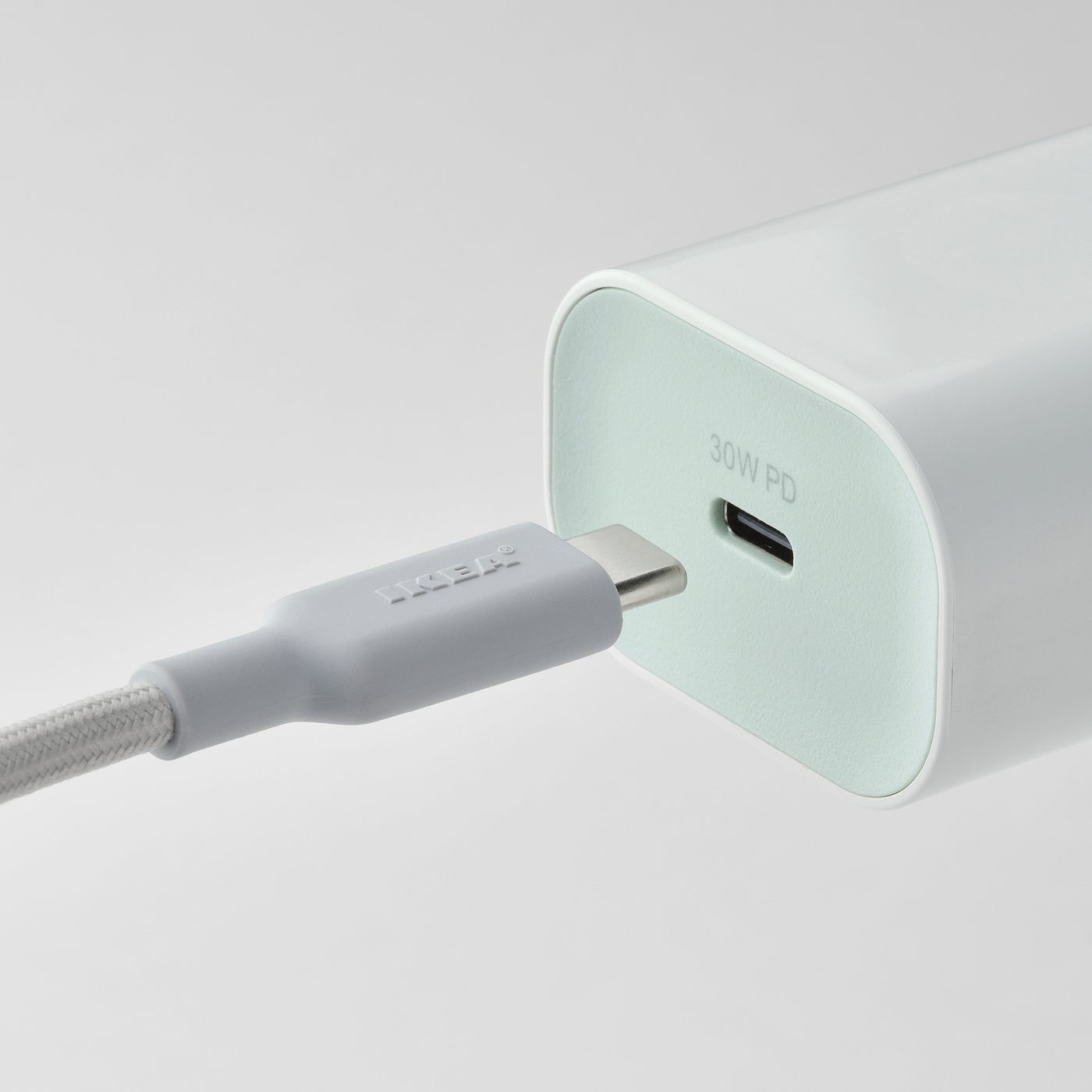
The Evolution of USB Chargers: From Standard to Fast Charging
The evolution of USB chargers has been remarkable since their inception. Initially, USB (Universal Serial Bus) technology was developed in the mid-1990s to standardize the connection of peripherals to computers. The first USB standard, USB 1.0, provided a data transfer rate of 1.5 Mbps, but charging capabilities were limited, primarily supplying power for low-draw devices like mice and keyboards. With the introduction of USB 2.0 in 2000, the charging speed improved slightly, enabling devices such as digital cameras and portable media players to recharge more efficiently. Fast charging became a reality with USB 3.0 and its derivatives, as manufacturers recognized the growing need for faster energy delivery to power-hungry devices like smartphones and tablets.
As technology progressed, the demand for quicker charging solutions surged, leading to various standards like Qualcomm's Quick Charge and USB Power Delivery (USB PD). These innovations allow for higher power output, with USB PD capable of delivering up to 100 watts of power, enabling not only smartphones but also laptops and other devices to charge rapidly. Furthermore, the introduction of USB Type-C connectors simplified the charging landscape, making it a universal solution that supports both power and data transfer in a single cable. This transformation showcases how USB chargers have advanced from basic power sources to versatile, rapid charging solutions that cater to the needs of modern technology users.
Counter-Strike is a highly strategic first-person shooter game that emphasizes teamwork and skill. Players can participate in various game modes, each with different objectives, whether it's planting bombs or rescuing hostages. For those who enjoy gaming on the go, check out the Top 10 Compact Travel Chargers to ensure your devices stay powered during intense gaming sessions.
The Importance of Choosing the Right USB Charger for Your Devices
In today's digital world, choosing the right USB charger for your devices is more critical than ever. With a wide variety of options available—from wall chargers to portable power banks—understanding the specific power requirements for your devices can ensure efficient charging and longevity. Using an inadequate or incorrect charger can lead to slow charging, overheating, or even permanent damage to the device's battery. Therefore, it is essential to consider factors such as output voltage, wattage, and compatibility with your devices when making your selection.
Additionally, the rapid advancement of technology means that many devices are now optimized for faster charging capabilities. For instance, smartphones and tablets typically support fast charging standards, which necessitate compatible USB chargers to maximize charging speed. To make an informed choice, research the specifications of your devices and look for chargers that meet these standards. By investing in the right charger, you not only improve the charging efficiency but also help in prolonging the lifespan of your devices, making it a crucial aspect of responsible tech ownership.
Frequently Asked Questions About USB Chargers: What You Need to Know
When it comes to USB chargers, many people have similar questions and concerns. One of the most frequently asked questions is about the compatibility of chargers with different devices. Most modern devices—including smartphones, tablets, and even laptops—utilize USB charging, but it's essential to check the power rating of your charger. Using a charger with a higher power output than your device can provide faster charging, while a lower output may lead to slow charging or not charging at all. It's advisable to look for chargers that support USB Power Delivery to ensure optimal performance across various gadgets.
Another common inquiry revolves around the speed of USB charging. Many consumers wonder if using a high-output charger will damage their devices. In most cases, this is not a concern, as most modern devices are equipped with smart charging technology that regulates the power they receive. To further clarify, here's a quick comparison of USB charging standards:
- USB 2.0: Up to 2.5 watts
- USB 3.0: Up to 4.5 watts
- USB Power Delivery: Up to 100 watts
Understanding these variations can help you choose the right charger while ensuring the safety and longevity of your devices.