The Evolution of Wireless Technology: From Past to Present
The evolution of wireless technology has undergone a remarkable transformation over the decades, reshaping how we communicate and access information. In the early 20th century, the wireless telegraphy developed by innovators like Guglielmo Marconi laid the groundwork for future advancements. By the mid-20th century, technologies such as radio broadcast and the introduction of mobile radio systems prompted a wave of innovation. As we transitioned into the late 20th century, the emergence of cellular technology revolutionized communication, enabling users to connect wirelessly over vast distances. This paved the way for the birth of the Internet and set the stage for the rapid development of wireless communication systems.
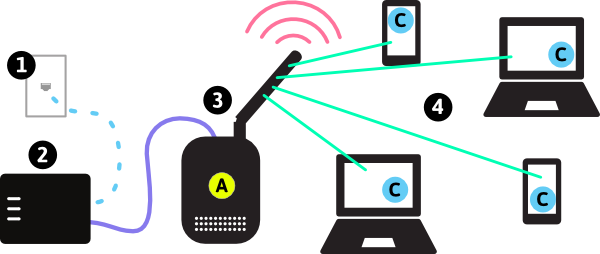
Fast forward to the present, and we now live in an era dominated by smartphones and high-speed wireless networks. Technologies such as Wi-Fi, 4G, and the recent rollout of 5G networks provide lightning-fast data speeds and seamless connectivity. The demand for connectivity has led to advancements in the Internet of Things (IoT), smart homes, and increasingly sophisticated mobile applications. As the evolution of wireless technology continues, we can expect even more groundbreaking changes, including enhanced security protocols, higher bandwidth, and even the potential for satellite-based internet access, redefining how we interact with technology on a daily basis.
Counter-Strike is a highly popular first-person shooter game that has been a staple in competitive gaming since its inception. Players engage in intense team-based matches, where strategy and teamwork are essential for success. For gamers looking to enhance their mobile experience, check out the Top 10 Android Phone Accessories that can significantly improve gameplay and performance.
How Wireless Connectivity Enhances Productivity in Our Daily Lives
In today's fast-paced world, wireless connectivity has become a crucial driver of productivity in both professional and personal settings. The ability to connect to the internet without the constraints of wires allows individuals to access information, collaborate with colleagues, and manage tasks from virtually anywhere. With the rise of mobile devices and laptops, people can easily transition from one location to another, ensuring that their work is not limited to traditional office spaces. This flexibility empowers individuals to optimize their schedules, making it possible to balance work and personal commitments effectively.
Moreover, wireless connectivity fosters seamless communication through various platforms. Tools such as email, instant messaging, and video conferencing enable teams to collaborate in real-time, regardless of geographical barriers. This capability not only enhances decision-making speed but also nurtures a culture of collaboration and innovation. As companies embrace remote work and distributed teams, harnessing the power of wireless technology has proven essential in maintaining productivity, driving engagement, and ultimately, achieving organizational goals.
Is Our Future Fully Wireless? Exploring Possible Innovations
The question of whether our future will be fully wireless is becoming increasingly relevant as we navigate through rapid technological advancements. Innovations such as 5G connectivity, the Internet of Things (IoT), and wireless energy transfer are pushing the boundaries of what we once considered possible. These technologies not only enhance communication but also enable devices to operate without physical connections, fostering a more integrated and efficient ecosystem. For instance, as smart homes become more prevalent, devices like smart speakers and home automation systems rely on wireless networks to function seamlessly together.
Moreover, the potential for wireless charging could redefine how we think about energy distribution. Companies are working on technologies that allow devices to charge without plugging in, making battery life and accessibility less of a concern. Imagine a world where smartphones, laptops, and even electric vehicles could receive power through the air, significantly reducing the clutter of wires in our daily lives. While we may not yet be living in a fully wireless future, the innovations on the horizon suggest that we are well on our way to achieving a more liberated and connected existence.