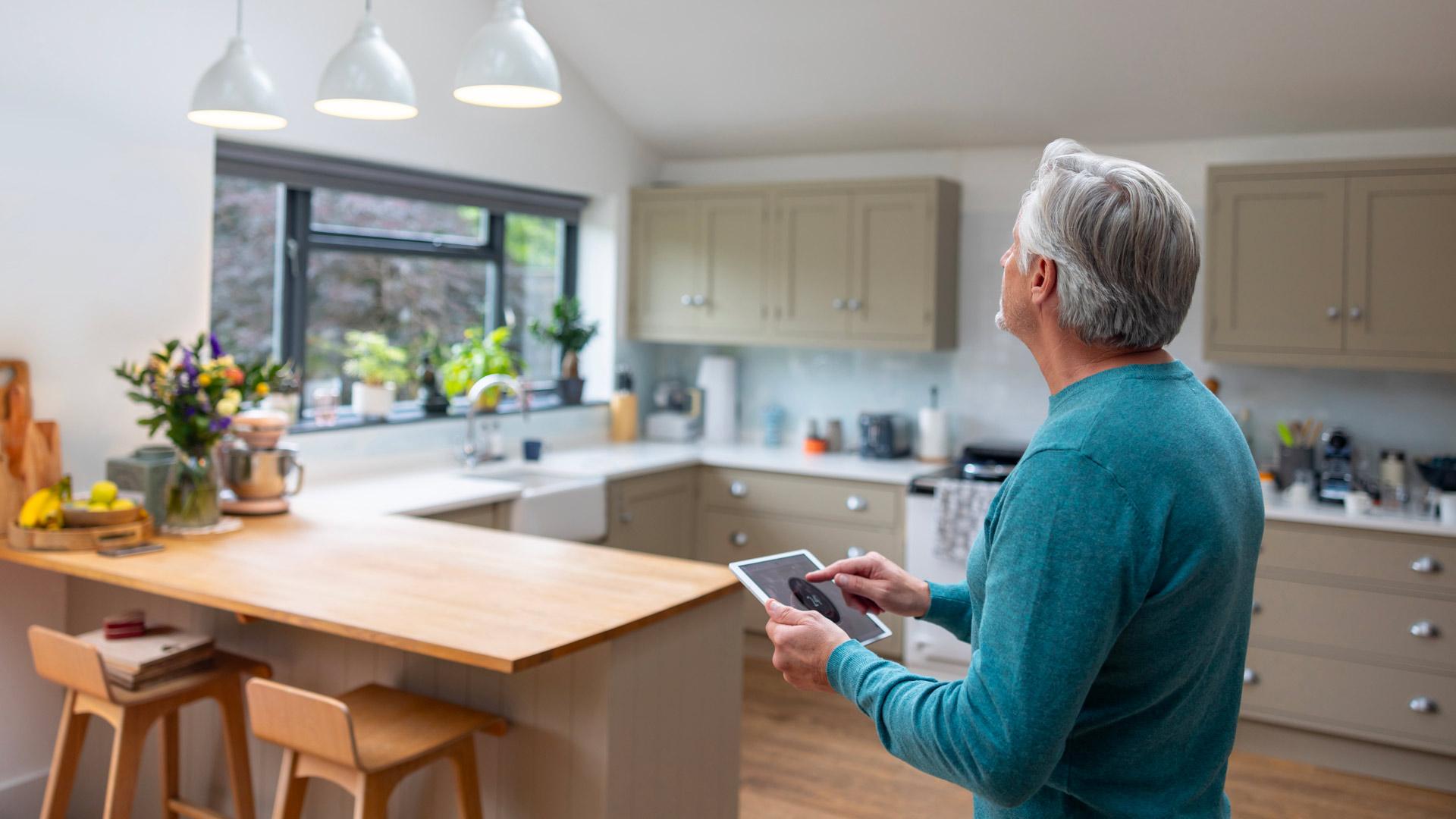
10 Ways Home Automation is Transforming Everyday Life
Home automation has rapidly evolved into a pivotal element of modern living, enabling individuals to enjoy greater control and convenience in their everyday activities. From smart lighting that adjusts based on your mood to advanced security systems that can be monitored remotely, these technologies create a seamless experience that simplifies daily routines. Here are 10 ways home automation is transforming everyday life:
- Enhanced Security: Automated security systems with smart cameras and alarms provide real-time alerts directly to your smartphone.
- Energy Efficiency: Smart thermostats learn your preferences and optimize energy usage, saving you money on utility bills.
- Convenience: Voice-controlled assistants allow you to operate devices hands-free, turning on lights or playing music with just your voice.
- Remote Monitoring: Homeowners can check in on their property through cameras and sensors when they are away.
- Automated Scheduling: Setting timers for your appliances helps manage your time effectively, like programming your coffee maker to start brewing as you wake up.
- Smart Appliances: Refrigerators that alert you when you're running low on groceries save time on shopping trips.
- Improved Comfort: Controlled lighting and climate systems create a personalized living space tailored to your preferences.
- Increased Property Value: Homes equipped with automation technologies often have a higher resale value.
- Health Monitoring: Devices that track air quality and provide alerts support a healthier living environment.
- Entertainment Integration: Smart TVs and sound systems integrate effortlessly, offering a cohesive entertainment experience.
Counter-Strike is a highly popular multiplayer first-person shooter game that pits teams of terrorists against counter-terrorists in various objective-based scenarios. Players engage in thrilling gameplay, strategizing and executing plans to outsmart their opponents. For those looking to enhance their gaming experience at home, check out the Top 10 homepod mini mounts for optimal audio setup while playing.
Is Your Home Smarter Than You? Discover the Benefits of Automation
In today's fast-paced world, the concept of a smart home is becoming increasingly popular as a means to enhance our daily lives. But is your home smarter than you? With the advent of home automation technology, you can integrate various devices and systems to create a seamless, interconnected environment that not only improves convenience but also boosts energy efficiency. For example, smart thermostats adjust heating and cooling automatically based on your preferences and routines, significantly reducing energy costs. Additionally, smart lighting systems can be programmed to turn on and off at scheduled times, providing security and improving the ambiance of your home.
Moreover, home automation offers a range of benefits that can truly transform your living space. From enhanced security features like motion sensor cameras to voice-controlled assistants that manage your daily tasks, the advantages are numerous. Consider the following key benefits of home automation:
- Increased Convenience: Control your entire home with just a few taps on your smartphone.
- Improved Security: Monitor your home in real-time and receive instant alerts for unusual activities.
- Energy Efficiency: Optimize your energy consumption to save money and reduce your carbon footprint.
How to Create a Seamless Smart Home Experience
Creating a seamless smart home experience starts with choosing the right devices that are compatible with each other. Begin by evaluating your needs and preferences, such as security, energy efficiency, or convenience. Invest in a reliable smart home hub that can connect various devices like lights, thermostats, and security cameras. This hub will serve as the brain of your smart home, ensuring that all devices communicate effectively. Additionally, consider using devices that support common protocols like Zigbee or Z-Wave, as this will enhance compatibility and interconnectivity.
Once you have the hardware in place, the next step is to focus on automation and integration. Utilize apps or voice assistants to set up routines that simplify your daily tasks. For instance, you can program your smart lights to turn on automatically when you return home or have your thermostat adjust temperatures based on your schedule. Seamless integration is key; therefore, invest time in testing different scenarios and refining your preferences. By doing so, you can create a truly personalized smart home experience that enhances convenience and efficiency in your daily life.