Why & How to Get Started: Understanding Anonymity, Free VPNs, and Connecting to German Servers
Embarking on the journey of enhancing your online privacy and accessing geo-restricted content begins with a fundamental understanding of anonymity. This isn't about hiding nefarious activities, but rather about safeguarding your personal data from trackers, advertisers, and potential cyber threats. When considering how to get started, a crucial first step is to explore Virtual Private Networks (VPNs). While the allure of 'free VPNs' is strong, it's vital to proceed with caution. Many free services come with significant caveats, including slower speeds, data caps, intrusive ads, and, most concerningly, the potential for them to log and sell your browsing data. Therefore, a thorough investigation into a VPN's privacy policy and logging practices is paramount to ensure you're truly securing your online presence, not unwittingly compromising it.
Once you've grasped the nuances of anonymity and the distinctions between reputable and questionable VPN services, the practical steps for connecting to German servers become clear. This specific geographical connection offers numerous advantages, particularly for those interested in accessing German-specific streaming services, news outlets, or online shops that might be otherwise inaccessible from your current location. The 'how' typically involves:
- Choosing a reputable VPN provider: Opt for one with a strong no-logs policy and a good reputation for security.
- Downloading and installing the VPN software: Most providers offer user-friendly applications for various devices.
- Selecting a German server: Within the VPN application, you'll simply choose a server location in Germany from the available options.
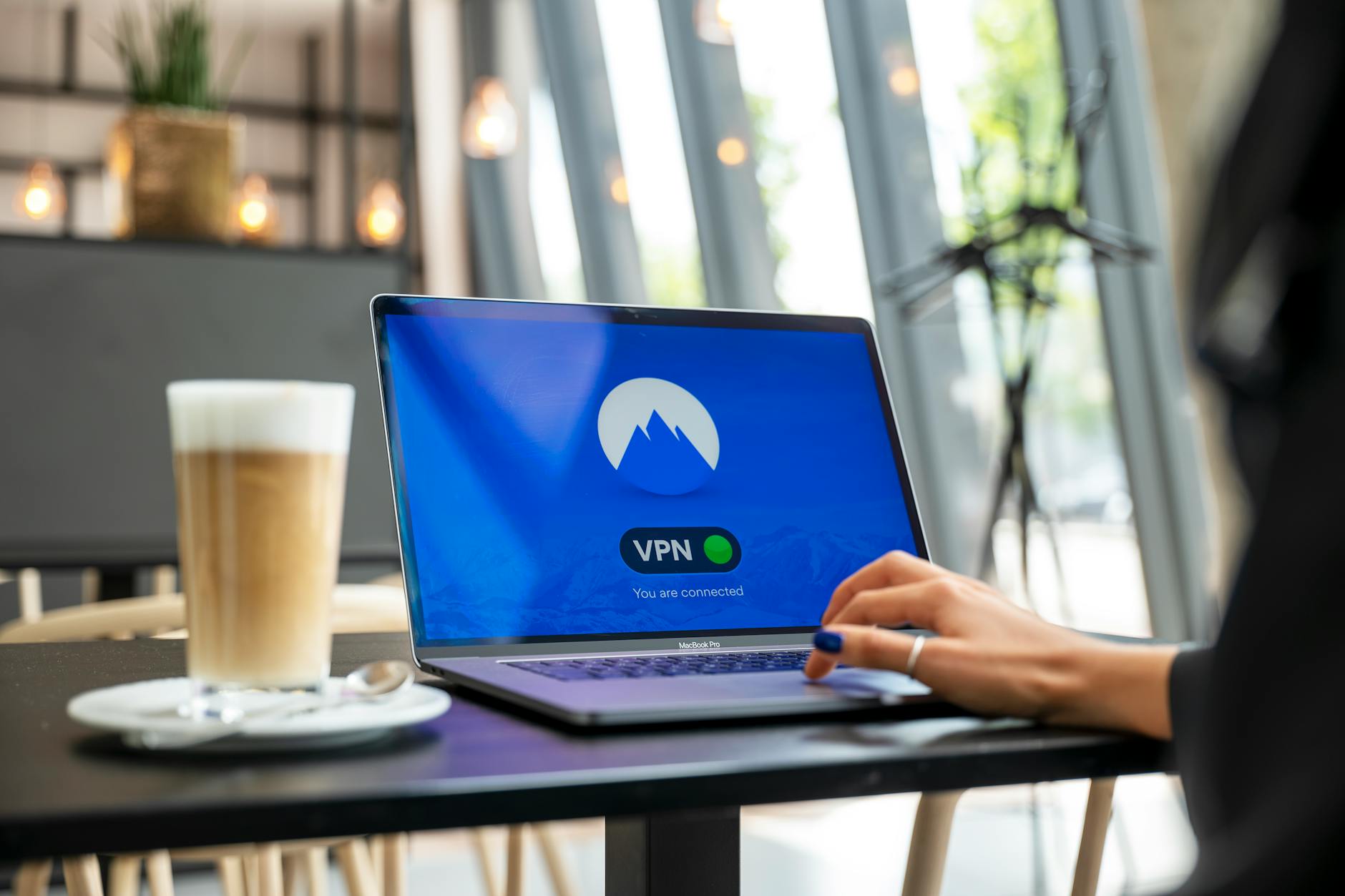
- Connecting to the VPN: With a single click, your internet traffic will be routed through the German server, granting you a German IP address and the associated benefits.
Many people search for a free VPN solution to protect their online privacy and bypass geo-restrictions. While some providers offer a free vpn service, it's important to be aware of potential limitations and risks, such as data caps, slower speeds, and less robust security features. For a more reliable and secure experience, a reputable paid VPN service is often recommended.
Beyond the Basics: Troubleshooting, Security Considerations, and Frequently Asked Questions About Free German VPNs
Venturing beyond the initial setup of your free German VPN reveals a landscape of potential challenges and crucial considerations. Troubleshooting common hiccups is essential for a smooth experience. You might encounter slow speeds – consider switching servers, or checking your own internet connection. Disconnections can often be solved by restarting the VPN client or trying a different protocol if your provider offers options. For persistent issues, reviewing the provider's support documentation or community forums can offer valuable insights. Remember, while free VPNs are convenient, their resources are often limited, making occasional performance issues more prevalent. Understanding these potential roadblocks and knowing how to address them will significantly enhance your free VPN journey.
Beyond mere functionality, security considerations are paramount when utilizing any VPN, especially free ones. It's vital to research the provider's logging policy – do they keep connection logs, activity logs, or neither? A reputable free VPN will ideally have a no-logs policy, or at least be transparent about what data they collect. Furthermore, be wary of providers that offer an abundance of features for free, as this can sometimes be a red flag. Frequently Asked Questions often revolve around these security aspects:
“Is my data truly private?” and “Are there any hidden costs?”While many free VPNs are legitimate, exercising due diligence in your selection and understanding their operational model is crucial to safeguarding your online privacy.