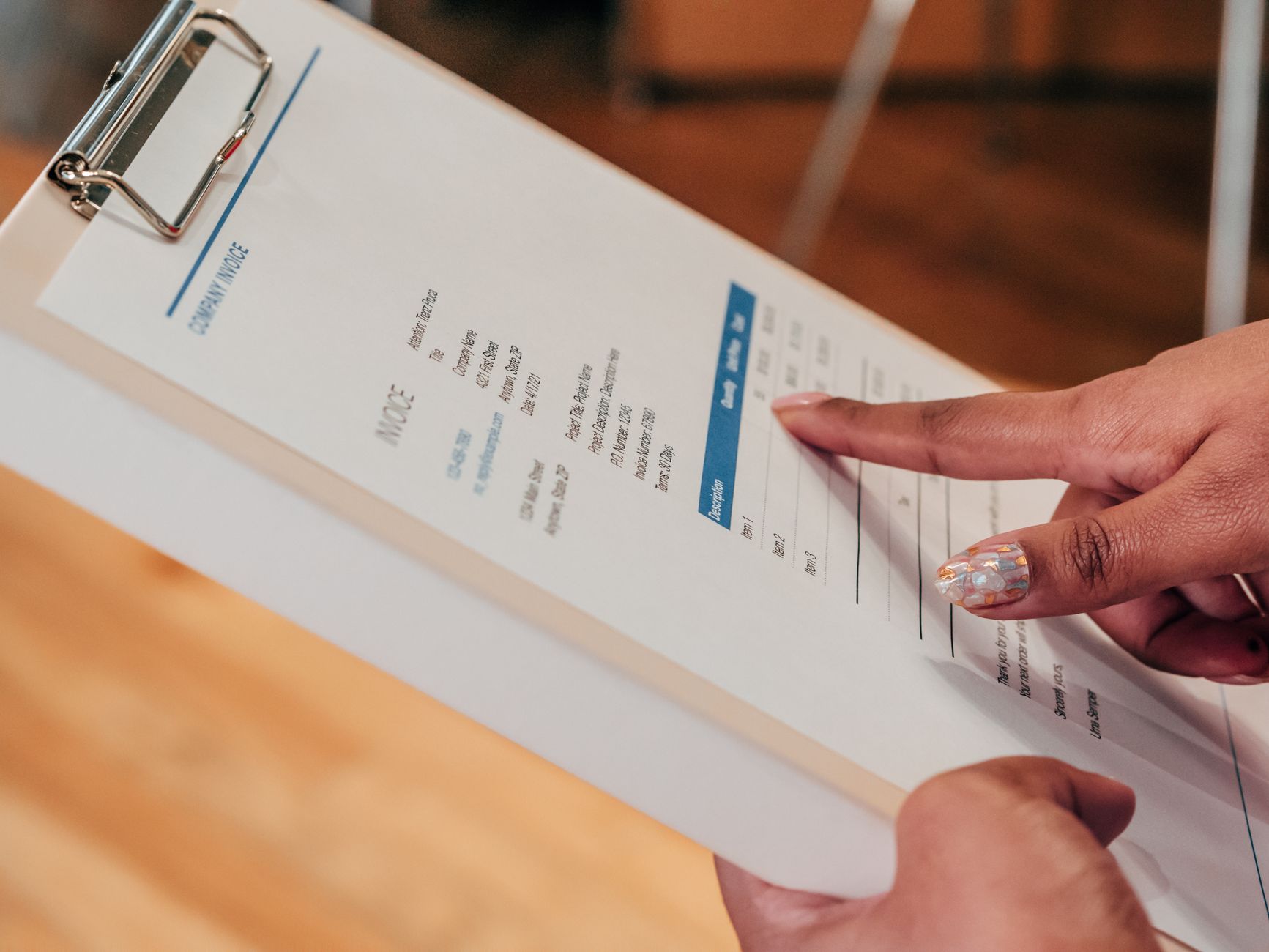
What is E-Invoicing (and why should manufacturers care)? Unpacking the Benefits & Dispelling Myths
At its core, e-invoicing streamlines the traditional billing process by enabling the exchange of invoices between suppliers and buyers in a structured, electronic format. This isn't merely about sending a PDF via email; it involves a standardized data format, often XML or EDI, transmitted directly from one accounting system to another. This automation eliminates manual data entry, reducing the probability of human error and accelerating the entire invoice lifecycle. For manufacturers, who often deal with complex supply chains and high volumes of transactions, this shift from paper-based or even basic PDF invoicing to fully integrated e-invoicing represents a significant leap forward in operational efficiency. It means faster payment cycles, improved cash flow, and a more transparent audit trail, all crucial elements for maintaining a competitive edge in a demanding market.
Manufacturers, in particular, stand to gain immensely from embracing e-invoicing, and it goes far beyond just faster payments. Consider the implications for compliance; with increasing regulatory pressure globally, e-invoicing platforms often incorporate features that ensure adherence to various tax regulations and data privacy laws, mitigating legal risks. Furthermore, the granular data captured through e-invoicing provides invaluable insights into purchasing patterns, supplier performance, and expenditure, which can inform strategic decision-making. Imagine having real-time visibility into your spend, identifying bottlenecks, and negotiating better terms with suppliers – all facilitated by the structured data inherent in e-invoicing. It's not just an accounting upgrade; it's a strategic tool that empowers manufacturers to optimize their financial operations, enhance supplier relationships, and ultimately, drive profitability.
E-invoicing streamlines financial operations for manufacturing firms by automating the exchange of invoices, reducing manual errors, and accelerating payment cycles. This digital transformation enhances efficiency and compliance, offering significant advantages for e-invoicing for manufacturing firms looking to optimize their supply chain and administrative processes.
Beyond Compliance: Practical Strategies for Manufacturers to Maximize E-Invoicing's ROI (Plus, Your Top Questions Answered)
Transitioning to e-invoicing is often viewed through the lens of compliance – a necessary evil to meet regulatory demands. However, forward-thinking manufacturers understand that this perspective severely limits the potential for significant returns. Moving beyond mere compliance unlocks a wealth of operational efficiencies and strategic advantages. Imagine automating manual data entry, drastically reducing human error, accelerating payment cycles, and gaining real-time visibility into your accounts payable and receivable. These aren't just incremental improvements; they represent a fundamental shift towards a more agile, data-driven financial ecosystem. By strategically implementing e-invoicing, manufacturers can transform a mandated overhead into a powerful engine for profitability and competitive differentiation.
To truly maximize e-invoicing's ROI, manufacturers must adopt a holistic approach that integrates the technology seamlessly into existing workflows and leverages its full capabilities. This involves more than just sending and receiving digital invoices; it's about optimizing the entire procure-to-pay and order-to-cash cycles. Consider these practical strategies:
- Strategic Vendor & Customer Onboarding: Proactively engage partners to ensure widespread adoption and smooth transitions.
- Integration with ERP Systems: Achieve end-to-end automation by linking e-invoicing platforms directly with your Enterprise Resource Planning.
- Data Analytics & Reporting: Utilize the rich data generated by e-invoicing to identify bottlenecks, optimize cash flow, and forecast more accurately.
- Leveraging Early Payment Discounts: Faster processing means you can capitalize on discounts offered by suppliers.
By moving beyond the basic transaction and focusing on these strategic levers, manufacturers can unlock the full financial and operational benefits that e-invoicing offers.